
Origin and Philosophy
Movement is more than technique. Here is background information on the origin, philosophy and practice as well as insights into the history and world of thought behind Tai Chi, Qi Gong, Aikido, Karate and Zen.
"Moving your body nourishes life.Eating in moderation preserves strength.Harmonizing mind and breath brings health."
— Traditional Chinese wisdom

— Tai Chi
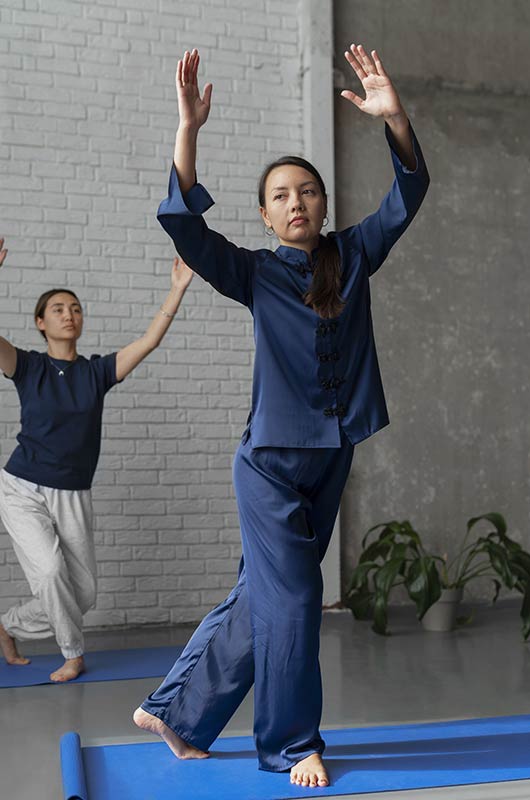
Tai Chi (actually "Taijiquan") likely originated in China in the 13th century. Originally, it was a martial art ("Wushu") for self-defense, designed to redirect an attacker's energy (similar to Aikido). However, it simultaneously evolved into a method for cultivating calmness, body control, and vital energy ("Qi"). The slow, flowing movements were intended to generate power without force, following the Taoist principle of Yin and Yang. Tai Chi offers the same health benefits as Qi Gong, but is initially more difficult to learn, and its meditative movement carries a hidden meaning rooted in Chinese martial arts.
— Qi Gong
Qi Gong is significantly older than Tai Chi, with roots stretching back over 2000 years. It originated from a blend of Daoist breathing exercises, meditation, healing methods, and physical training. Its aim was to harmonize the flow of energy in the body, promote health, and bring mind and body into balance. Many later martial arts incorporated elements of it. Qi Gong is easier to learn than Tai Chi.
— Aikido
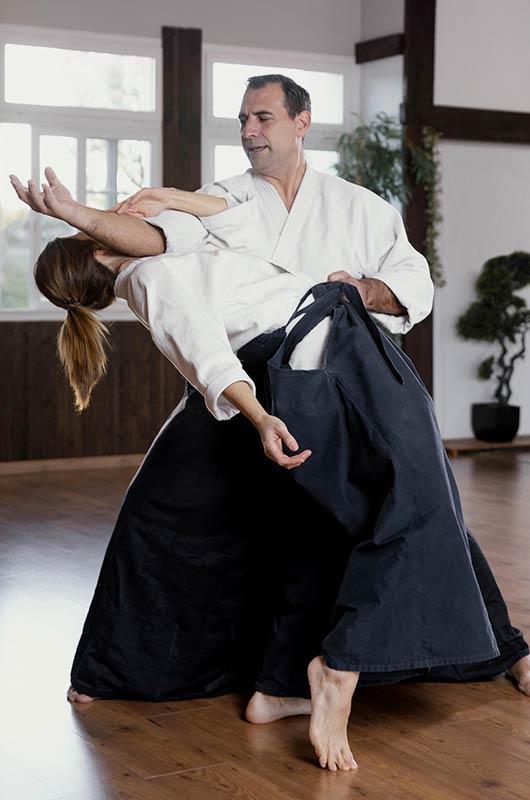
Aikido was developed in Japan in the 20th century by O-Sensei Morihei Ueshiba. It is based on older samurai martial arts but has been strongly influenced by spiritual and pacifist ideals. Instead of destroying an opponent, Aikido seeks to redirect their energy and end a conflict without unnecessary violence. Harmony and control are central. Because Aikido techniques require very precise timing, learning them demands a great deal of practice.
— Karate
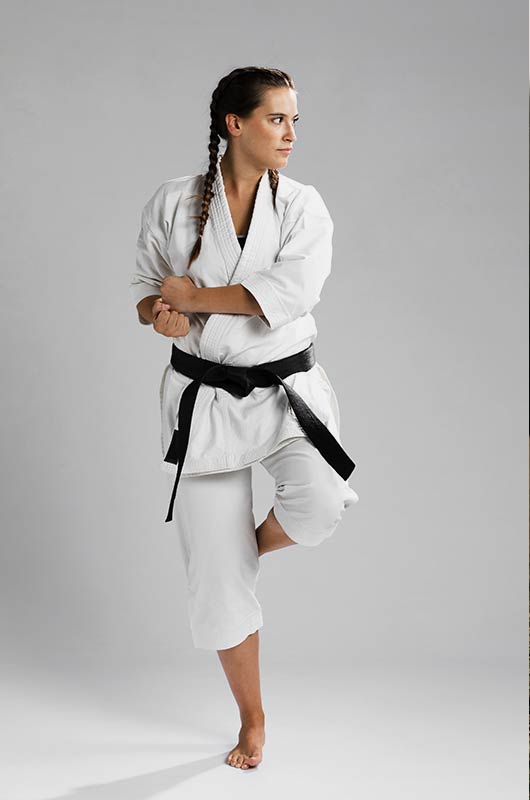
Karate originated in Okinawa under the influence of Chinese martial arts and local self-defense techniques. Because weapons were temporarily prohibited, effective unarmed methods developed, incorporating punches, kicks, and blocks. At the beginning of the 20th century, karate was brought to Japan and systematized. Many schools combine physical discipline with mental development and character building.
— Zen
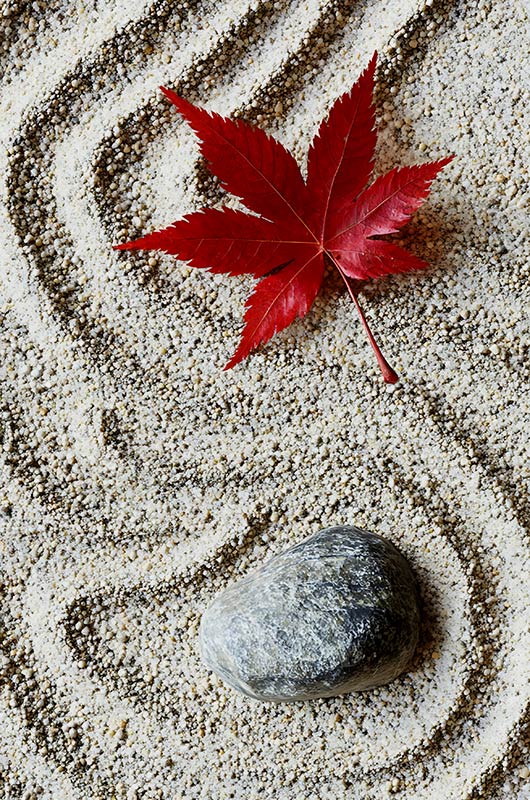
Zen originated from Chinese Chan Buddhism and later developed further in Japan. Its focus is on the direct experience of the present moment – not theoretical knowledge. Through silent meditation, conscious daily practices, and inner discipline, the mind is meant to become calm and clear. Many martial arts have been influenced by Zen because concentration, composure, and presence play a central role.